At Time Worn Watches, we have always had an interest in wearing antique pocket watches. It was once a niche interest for a group of middle-aged men with too much time on their hands. However, in recent years, pocket watches have been reappearing in style conversations, fashion spreads and even on red carpets. Part of this renewed interest can be traced to the popularity of period dramas on television. Series such as Peaky Blinders and Downton Abbey have introduced modern viewers to an era of tailored suits, waistcoats and pocket watches. However, it is not just television dramas driving the trend. Pocket watches are being used as an accessory that offers individual style in a world dominated by smartwatches (How to style a pocket watch at Beaverbrooks).
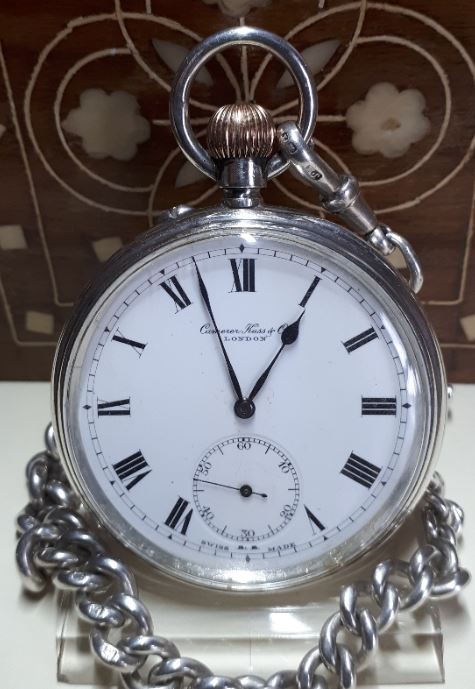
Today, antique pocket watches are no longer confined to formal occasions or collectors’ cabinets. Style-conscious men are pairing them with modern suits, relaxed tailoring and even jeans. The appeal lies in the contrast they create, a historical but practical accessory, worn with contemporary confidence. In the modern world, we increasingly value personal style that tells a story. The pocket watch has found new relevance.
A brief history of the pocket watch
The pocket watch first appeared in the early sixteenth century in Germany, when advances in spring-driven mechanisms allowed clocks to become portable. These early designs were far from discreet. They were often large, rounded and worn around the neck rather than slipped into a pocket. Despite their impractical size, they quickly became symbols of wealth and were prized by the upper classes.
As fashion evolved, so did watchmaking. By the seventeenth century, the introduction of the waistcoat transformed the design of the pocket watch. By necessity, watches became slimmer and flatter to sit neatly in a vest pocket. Albert chains were added both for security and decoration. By the eighteenth and nineteenth centuries, the pocket watch had become an essential accessory for gentlemen across the social classes. Aristocrats used them to signal refinement. In an industrial world, the workers relied on them for punctuality.
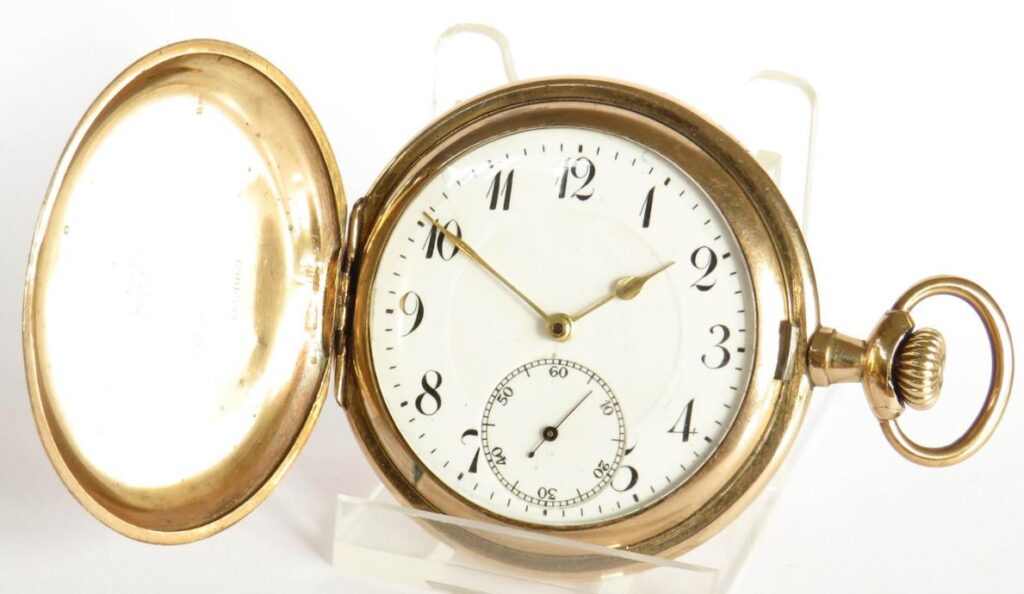
The arrival of the wristwatch in the early twentieth century marked a turning point in watchmaking. During the First World War, soldiers needed to check the time quickly without fumbling in their pockets. Wristwatches proved far more practical than the bulky old pocket watches. After the war, this practicality moved into civilian life, and pocket watches gradually fell out of everyday use. By the middle of the 20th century, pocket watches were largely regarded as old-fashioned. However, pocket watches never truly disappeared. They survived as family heirlooms and collector’s items (Pocket watches: history, revival, trends & tips at Barnebys).
Why pocket watches are making a comeback
The modern revival of antique pocket watches reflects an interest in nostalgia and vintage style. Fashion has become cyclical, and recent years have seen a renewed appreciation for antique pieces and traditional craftsmanship. Pocket watches sit comfortably within this trend, offering a real-world connection to the past.
Popular culture has also played a significant role in reshaping this trend. Period dramas have not only influenced clothing trends but have also reframed classic accessories as stylish rather than outdated. At the same time, celebrities have helped normalise pocket watches in modern-day settings. Actors, musicians and designers have been photographed wearing them at weddings, film premieres and fashion events, often worn with modern clothing rather than historical outfits.
There is also a growing desire for individuality in men’s fashion. In an age where many people wear similar wristwatches or rely on their phones to tell the time, a pocket watch stands out from the crowd. It generates conversations and indicates an individual approach to style. For some, it represents rebellion against disposable fashion. For others, it simply feels more personal.
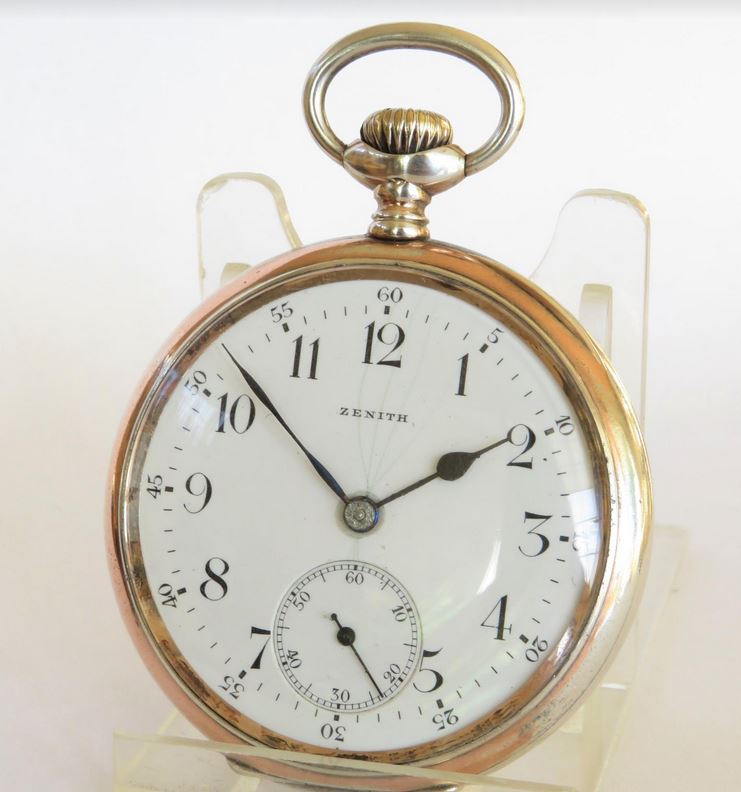
Auction houses and collectors have further fuelled interest. High-profile sales of historically significant pocket watches regularly make headlines. Last year’s auction of the Isidor Straus Titanic pocket watch is the perfect example. Meanwhile, luxury brands and independent watchmakers have released modern pocket watches that blend traditional design with contemporary fashion. These new interpretations make the style accessible to those who want the look without investing in a fragile antique. Together, these influences have repositioned the pocket watch as both a fashion statement and a lifestyle choice. It is no longer about practicality alone, but about meaning, craftsmanship and self-expression.
How to wear a pocket watch
One of the most common concerns about wearing a pocket watch today is the fear of looking as though you are dressed for a themed event. The key to avoiding this lies in balance. A pocket watch should be a subtle complement to an outfit, not dominate it. When worn formally, the pocket watch works best with a well-tailored suit. A three-piece suit provides the most traditional setting, with the watch placed in the waistcoat pocket and the chain threaded neatly through a buttonhole. This creates a refined look that looks discreet rather than theatrical. The important detail is fit. A modern, slim-cut suit instantly grounds the antique accessory in the present day.
For those who do not regularly wear waistcoats, a pocket watch can still be incorporated into a suit. The chain can be attached discreetly to a jacket lapel or belt loop, with the watch resting in a trouser or jacket pocket. Keeping the rest of the accessories minimal allows the watch to stand out without overwhelming the outfit. Pocket watches can also work surprisingly well in more relaxed settings. Worn with jeans, a shirt and a blazer, they add a subtle sense of character. In these cases, simpler designs and understated chains work best. Silver or steel finishes tend to feel more casual, while gold cases and chains are better reserved for formal occasions.
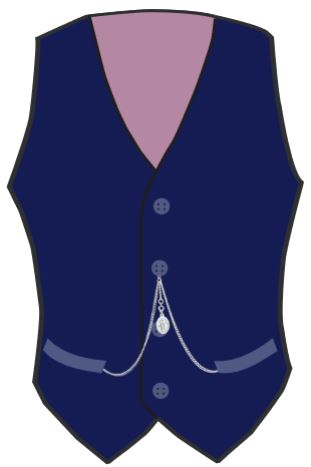
Regardless of how it is worn, restraint is essential. The aim is effortless style rather than historical accuracy. By pairing an antique pocket watch with contemporary clothing, you allow it to feel relevant rather than nostalgic.
Choosing the right pocket watch and chain
Selecting the right pocket watch is as much about personality as it is about fashion. Some people are drawn to engraved cases and visible mechanisms, while others prefer clean, understated designs. Antique watches often carry unique marks of age, which many wearers consider part of their charm.
The chain is just as important as the watch itself. Different chain styles offer different looks, and the choice often depends on how the watch will be worn. A single Albert chain creates a minimalist effect, while a double chain can add visual interest when worn with a waistcoat. The metal of the chain should complement the watch case and the rest of the outfit to create a cohesive appearance.
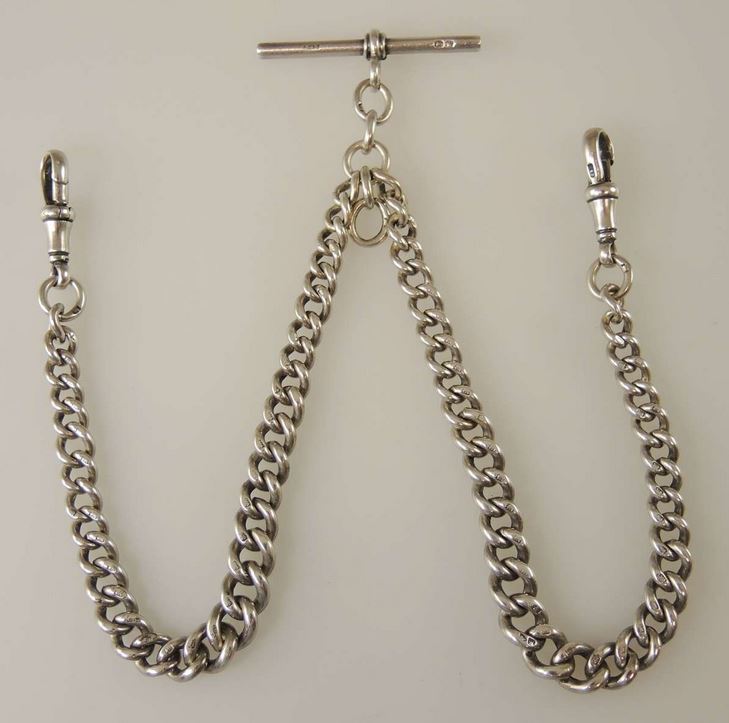
Above all, comfort and confidence matter most. A pocket watch should feel like a natural extension of your style rather than an obligation. When worn with intention, it becomes a subtle but powerful expression of taste.
A timeless accessory for the modern wardrobe
Antique pocket watches may no longer be essential for telling the time, but their appeal has never been stronger. Whether inherited or collected, an antique pocket watch brings depth to an outfit and meaning to its wearer. It encourages us to slow down, appreciate detail and consider style as something personal rather than prescriptive. In that sense, the pocket watch is not merely back in fashion. It has evolved into something more enduring, a timeless statement for the modern man. Are antique pocket watches back in fashion? The answer is most certainly yes.
Related content
What is it really like to wear a pocket watch in the 21st century? at Time+Tide watches.